Wednesday, October 21, 2026

Every community reveals its values.
Not only through what it says, but through what it does.
Values are easy to claim in speeches, mission statements and public celebrations. They are harder to demonstrate in ordinary moments, especially when no recognition is attached. The clearest test of a community’s character is often found in how it responds to people who are struggling.
How do we treat the hungry?
How do we respond to families under financial pressure?
How do we regard the elderly, the lonely, the disabled, the displaced or those navigating hardship quietly and without attention?
Those answers say more about us than any slogan ever could.
There is a tendency to think generosity is an optional virtue, something admirable but secondary. Something reserved for charities, churches or year-end campaigns. Something extra.
But communities do not thrive on extras.
They thrive on habits.
And one of the most important habits any healthy place can develop is the willingness to care for people who are vulnerable.
That care can take many forms.
Sometimes it is financial support. Sometimes it is food, shelter or transportation. Sometimes it is mentorship, encouragement or helping someone navigate a difficult season. Sometimes it is simply noticing a need that others have overlooked.
Often, what matters most is not the size of the gesture but the willingness to make one.
Generosity has a way of strengthening more than the person receiving it.
It builds trust. It deepens relationships. It reminds people they are not invisible. It reinforces the idea that hardship does not have to be faced alone. In communities where people know they may be helped in difficult times, social bonds become stronger.
The opposite is also true.
When people in need are ignored, dismissed or treated as burdens, something weakens for everyone. Isolation grows. Cynicism spreads. The sense of shared responsibility begins to disappear.
That loss is costly.
A strong town is not merely one with growing businesses, busy streets or rising property values. Those things may matter, but they are incomplete measures of health.
A truly strong community is one where prosperity does not erase compassion.
It is one where success creates capacity to help others, not excuses to look away.
The manner of generosity matters as well.
Some giving seeks attention. It wants applause, visibility or social credit. It turns service into performance.
But the most meaningful generosity is often quiet.
It happens when no cameras are present. When no one is posting about it. When help is offered because it is needed, not because it will be noticed.
That kind of giving builds dignity for the person receiving it and character in the person offering it.
It also reminds us that generosity is not measured only in dollars.
Time can be generous.
Listening can be generous.
Patience can be generous.
Opening a door, making an introduction, checking on a neighbor, offering someone another chance. These acts may seem small, but communities are often held together by small things repeated consistently.
There is also a larger truth worth remembering.
Where people direct their resources reveals what they value. Money, time and attention all tell the truth eventually. If every surplus is directed inward, something narrows. If some portion is directed outward, something expands.
People become less isolated.
Communities become more humane.
This is especially important in times of uncertainty. Economic strain, rising costs and personal stress can tempt people to pull inward and focus only on their own needs. That instinct is understandable.
But it is often in harder seasons that generosity matters most.
The family needing groceries does not care whether the broader economy is strong. The senior needing transportation still needs a ride. The child needing encouragement still needs to be noticed.
Need does not pause for convenience.
Neither should compassion.
Every town has people doing this work already. Volunteers. Nonprofits. Churches. Quiet neighbors. Business owners who help behind the scenes. People who see a gap and step into it.
They rarely seek headlines.
But they are among the builders of community.
A place is not defined only by what it produces.
It is defined by what it protects, what it values and who it refuses to leave behind.
If we want stronger communities, we should continue investing in growth, opportunity and success.
But we should also remember something just as important:
A community is ultimately measured by how it treats those who need it most.
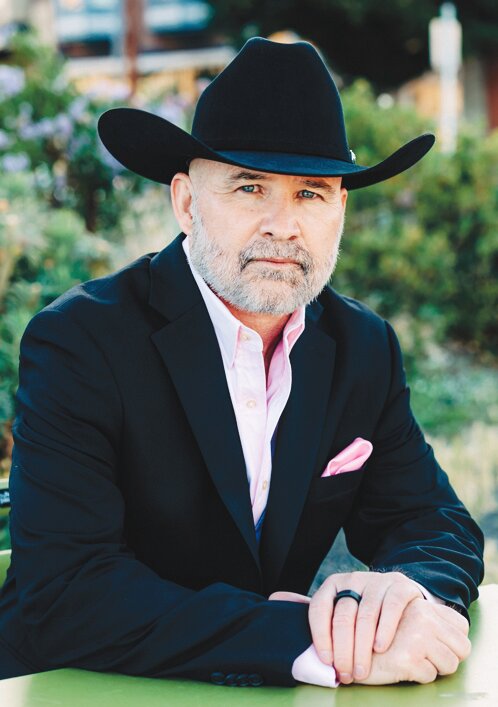
Terry Ward is the CEO of Ward Media and the publisher of NCW News, Cashmere Valley Record, Lake Chelan Mirror, The Leavenworth Echo, Quad City Herald, and the Wenatchee Business Journal. He can be reached at terry@ward.media.


Comments
No comments on this item Please log in to comment by clicking here