Thursday, October 1, 2026

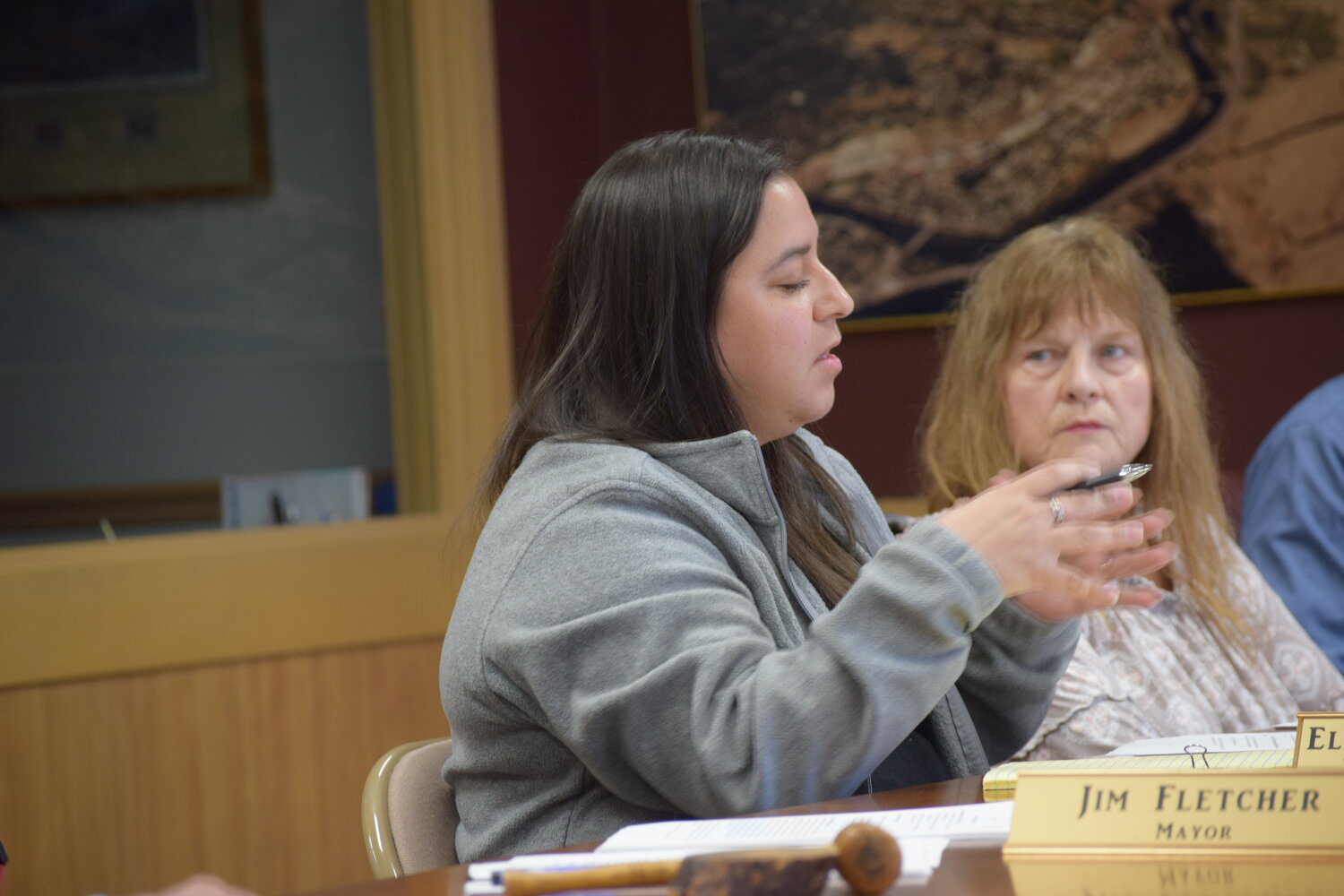
CASHMERE — A proposal to shift utility billing responsibility to property owners was set aside by the Cashmere City Council on April 13 after a discussion that quickly centered on the role of landlords and who the city is ultimately serving when it provides water and sewer service.
Deputy City Clerk Elizabeth Martinez introduced the idea as a way to simplify a process that, she said, regularly places the city in the middle of disputes between tenants and property owners.
Under the current system, utility accounts can be opened and closed by tenants, but billing cycles do not always line up with lease terms. When tenants move in or out mid-cycle, Martinez said, the city is often left sorting out overlapping responsibilities after the fact.
“It almost becomes that the city becomes the middleman for a business,” Martinez said.
She described situations where multiple tenants, property managers and owners are tied to a single account within a single billing period, sometimes leading to disputes weeks after a tenant has moved out.
“We’re trying to get someone to pay this bill,” Martinez said.
The proposed change would place all utility accounts in the name of the property owner, allowing landlords to recover costs through rent or private agreements with tenants.
Council member John Perry said he was not in favor of the change, speaking from his experience as a landlord with a single-family rental.
Perry said tenants are the actual users of water and should remain responsible for the bill, and he expressed concern that shifting that responsibility to property owners would create additional work while increasing pressure to raise rents.
“If I am calculating what I need to charge for rent and I’m responsible for these utility bills, I’ve got to pass more of that on,” Perry said.
During the discussion, Perry also questioned whether the city should treat property owners as the primary customer for utility service, arguing that the service is being used directly by tenants.
The situation is, of course, nuanced: if there was no water access at a property, it couldn’t be legally used as a rental in the first place, according to Washington’s RCW 59.18.060, so the identity of the “actual” user is the subject of debate.
Other council members acknowledged the complications Martinez described, but did not reach a clear consensus on how to address them. Perry said he understood the difficulty the current system creates for the clerk’s office.
“I get the frustration,” he said.
The council did not move forward with the proposal and instead voted to table the issue, asking for additional information on how often billing conflicts occur and whether patterns exist that could guide a future policy.
The topic is expected to return for further discussion.
Andrew Simpson: 509-433-7626 or andrew@ward.media


Comments
No comments on this item Please log in to comment by clicking here