Thursday, October 1, 2026

WENATCHEE — Despite the effort to create a network of fairness and equity in the justice system for residents of the Wenatchee Valley, the factors that go into any number of misdeeds, from crime to drug use, traffic incidents to civil infractions, are often lumped together into what kind of people do these things. Most often, they’re thought of as “bad guys.”
In many cases, that kind of characterization is perfectly accurate. But many times, one crucial mitigating factor is overlooked: Mental health.
Homelessness, poverty, addiction and trauma are just some of the things that lead to the kind of desperation required to commit a crime, or even to suffer from a bout of road rage or drink too much in public and cause a nuisance. And once in the justice system, offenders still have all of those things to contend with, but it’s coupled with jail time, loss of their job, withdrawal, court fines and fees and a multitude of other complications that are supposed to correct behavior, but sometimes instead lead to further poor choices.
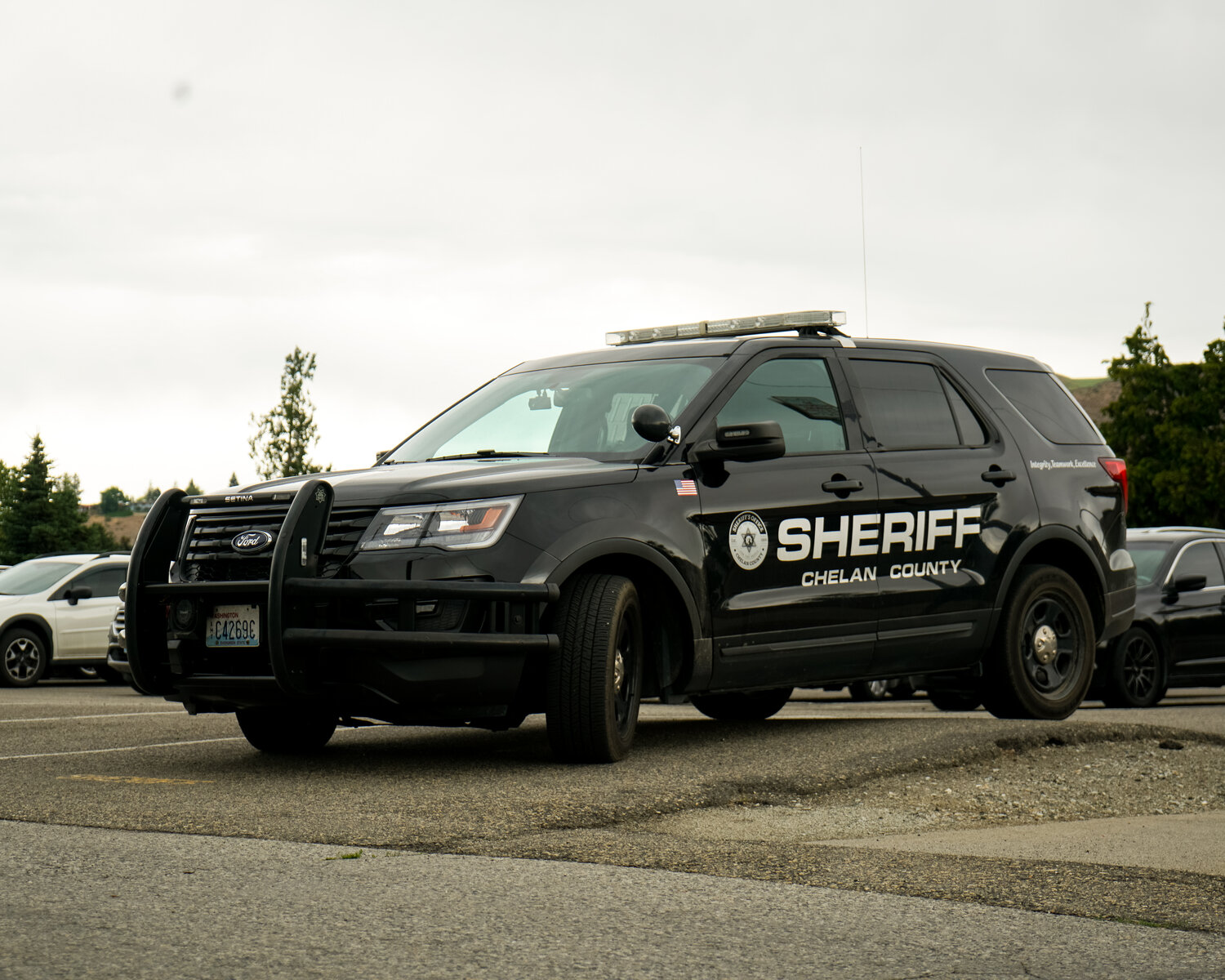
The latest grant of $836,370.04 from the Washington Association of Sheriffs and Police Chiefs (WASPC), given through their Mental Health Field Response program to the Behavioral Health Unit (BHU) of the Chelan County Sheriff’s Office (CCSO), marks the latest step in what’s become a trend in North Central Washington.
Prioritizing mental health isn’t just a good idea, it’s an idea whose time has come. And the justice system here in the Valley seems to be keeping pace. There’s more on this new grant, but just look at what the CCSO and other agencies, including the courts, legal firms, probation offices and state agencies have been doing over the past year.
April alone saw two major efforts to prioritize mental wellbeing, with the addition of Deputy Zach Brunner from CCSO to the East Cascade SWAT Team — Brunner being from the BHU as well indicated that SWAT was looking more toward deescalation of situations requiring their team than toward adding to their “firepower.”
Just a day before that, we reported that Chelan County’s District Court and District Court Probation were teaming up with Armada Collections to help members of the public get out from under the burden of unpaid court fines or probation fees. That kind of assistance not only eliminates stress, but it restores citizens’ faith in the legal and justice systems.
Last month, the BHU teamed up with multiple mental health care agencies to provide town hall meeting-style grief counseling for a community mourning the loss of three little girls that were cherished like the Valley’s own daughters. Even a statement from the girls’ mother’s own spokesman, Mark Belton, said that the family was acknowledging that the situation had sparked conversations about, among other things, mental health issues, something that needed to be addressed.
Now we’re seeing the upcoming Blake Drug Possession Relief Day, a similar effort to the one between the courts and the collection agency, but instead aimed at people who were already convicted of crimes that they would not be convicted of today, after a huge WA Supreme Court ruling that decriminalized “unknowing possession” of drugs, something that has already affected more than 200,000 people who were convicted of such crimes, and an estimated 150,000 more marijuana-related offenses.
Again, that kind of proactive effort to help someone get their life on track can be as world-changing as a crime that landed someone in jail, but in the other direction in terms of alleviating pressure, reducing depression, and lowering the likelihood of recidivism.
Now, with the news of the grant, it seems like a culmination of all these efforts to bring this often-overlooked factor to the forefront when it comes to tackling the cause and effect of crime and the justice system, even on our own officers.
Much of the credit for this new $800k-plus grant goes to the BHU and its program manager Ana Gonzalez, who, over the last two and a half years, had already secured more than $2.8 million in funding “to strengthen the mental and physical well-being of Chelan & Douglas County citizens and CCSO personnel,” according to a press release from Chief Ryan Moody of the CCSO.
Indeed, the CCSO has, for its deputies, put on wellness retreats and educational conferences, and even provided physical therapy in the form of gym memberships and emotional support in the form of confidential spaces for processing traumatic situations and getting peer support. So it’s not just the wellbeing of the public that law enforcement and the justice system are seeking to ensure, but the members of their own team, who are then more capable of avoiding situations where prior trauma might come into play.
In the end, giving everyone a more level playing field when it comes to how we approach a situation — from the standpoint of an officer or even that of a criminal — can only deliver better results.
Andrew Simpson: 509-433-7626 or andrew@ward.media


Comments
No comments on this item Please log in to comment by clicking here